The Long-Term Value of Investing in a Thorough Home Inspection
19 March 2026
Buying a home is one of the biggest moves most of us will ever make. It’s a mix of excitement, nerves, and flat-out stress. You're picturing your future in that cozy living room, imagining dinner parties in that sleek kitchen… but beyond the shiny countertops and freshly painted walls, something could be lurking—something that might cost thousands down the line.
Enter: the home inspection. It's not just a box to check; it's your hidden detector, your magnifying glass, your peace of mind. Let’s dig into why investing in a thorough home inspection isn’t just smart—it’s essential for your financial future.
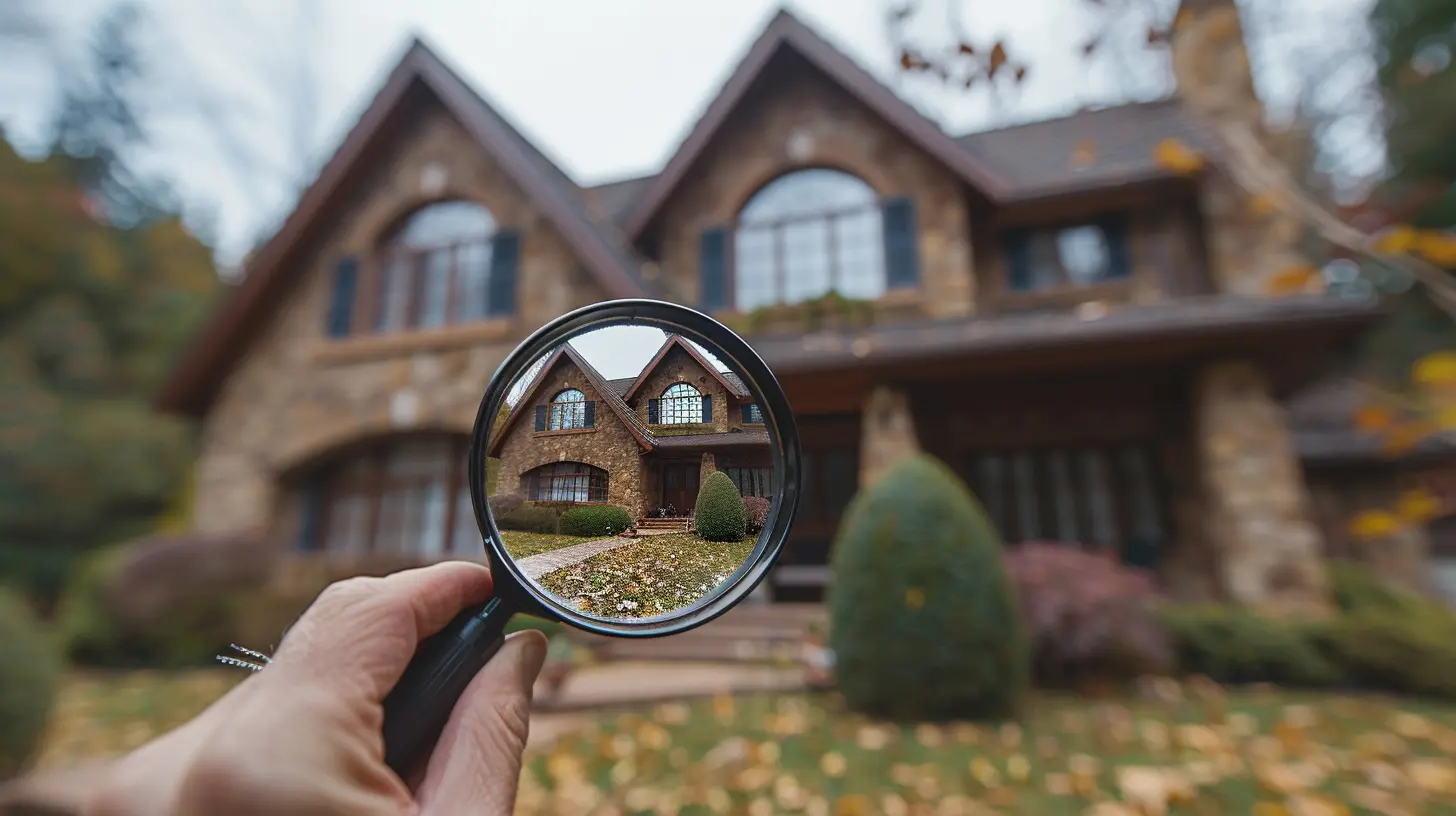
What Really Is a Home Inspection?
First off, let’s demystify the process. A home inspection is a professional assessment of a property's physical structure and systems. Think: roof, foundation, plumbing, electrical, HVAC, and more. The inspector provides a detailed report of everything they observed—good, bad, and ugly.It’s not a pass/fail test. It’s not a guarantee. But it is a roadmap—a reality check that tells you exactly what you’re getting into.
The Hidden World Behind the Walls
You know how a book's cover doesn’t tell you the whole story? Houses are the same way. Even the most charming home, with its curb appeal and freshly staged rooms, can hide some serious issues.Cracks in the foundation, mold hiding behind drywall, or a roof that's about to reach its expiration date—these are things you won’t see during your open house tour. But a qualified home inspector? They’re trained to catch the clues.
Think of inspectors as the Sherlock Holmes of real estate. They look for the small stuff that points to big problems. And once they hand over that report, you’ll know whether the home’s a keeper or a ticking time bomb.
The Price Tag of “Skipping It”
Sure, waiving an inspection might seem like a bold move, especially in a hot market where buyers are competing tooth and nail. You might think, “If I skip it, I’ll have a better chance at landing the house, right?”Maybe. But fast forward a few months. The water heater fails. The roof starts leaking. The wiring triggers a fire risk warning. Suddenly you're knee-deep in repair costs that could’ve been avoided with a $350–$600 inspection.
Here’s some food for thought: skipping the inspection to save a few hundred bucks today can cost you tens of thousands tomorrow. It’s like buying a car without test-driving it, only that car is your life’s biggest investment.
Peace of Mind Is Priceless
Money aside, home inspections offer something even more valuable—peace of mind.When you know what you're walking into, you can make informed decisions. Maybe the house needs a new HVAC system in two years. That's okay—because you know it's coming. It doesn't sneak up on you like a ghost in the attic.
You also have negotiating power. If the inspection reveals major issues, you can ask the seller to fix them, reduce the price, or offer credits. Either way, you're not walking in blind.
Spotting Future Deal Breakers
Here’s the truth: not every issue is visible today. Some are ticking time bombs that a good inspector can spot early. Here are a few examples of what a thorough inspection can uncover:- Termite Damage: These tiny terrors can eat through your home's structure quietly.
- Faulty Wiring: Dangerous and expensive to repair, especially in older homes.
- Poor Drainage: Leads to foundation damage, basement flooding, and mold.
- Roof Trouble: Missing shingles or poor installation can lead to leaks.
- Outdated Plumbing: Galvanized pipes can corrode and clog over time.
And that’s just scratching the surface. An experienced inspector has seen it all, from the slightly weird to the dangerously wrong.
It's Like a Crystal Ball for Your Budget
Let’s say you go through with the purchase after the inspection. Great! Now you’ve got a game plan. You know that in five years, the HVAC might need replacing. The roof has 3–4 years left. The water heater’s on its last leg.Armed with this knowledge, you can budget ahead. You're not reacting. You're planning.
It’s the difference between suddenly shelling out $8,000 for an emergency roof replacement and saving up for it over time. Basically, your inspection serves as your financial crystal ball—it shows you the future in advance.
Protecting Your Investment for Years to Come
Buying a home is like planting a tree. Done right, it grows, gains value, and becomes the strong foundation of your family’s future. But you wouldn’t plant a tree in toxic soil, would you?A home inspection tells you whether the ground beneath your investment is solid. It helps protect your future net worth. And when it's time to sell years down the line, you'll be thankful you invested in understanding your home's condition upfront.
Remember, a house isn’t just where you live—it’s a financial asset. And protecting that asset? That’s just plain smart.
When “Thorough” Matters Most
Not all inspections are created equal.Some buyers go with the cheapest option or trust Uncle Bob who used to be a contractor. But when it comes to long-term value, thoroughness is everything. Choose a certified, experienced inspector with a keen eye and a reputable track record.
This isn’t a place to cut corners. A deep dive today keeps the financial headaches away.
A Hidden Bonus: Insurance and Warranty Perks
Here’s a sneaky little benefit most people don’t talk about: many home insurance companies love to see inspection reports. Why? Because it reduces their risk too.In some cases, showing a clean report or documenting repairs made after the inspection can even help you get better insurance terms or avoid future claim denials.
Plus, if you’re buying a new construction or flipping a home, inspection reports can help you activate certain home warranties or guarantees. They’re basically receipts proving your due diligence.
Real Talk: When the Report's Not Pretty
Let’s face it. Sometimes, the results of a home inspection are a buzzkill. You were ready to love that house forever… until the inspector started listing potential problems like an overachieving auctioneer.Don’t panic.
This isn’t the end—it’s just a decision point. Maybe the issues are repairable. Maybe the seller will foot some of the bill. Or maybe…it’s time to walk away.
Whatever the case, knowledge is power. And the long-term value of that power? Priceless.
Final Thoughts: It’s Not a Cost—It’s an Investment
Listen, we get it. You’re juggling down payments, closing costs, moving trucks, and a mile-long to-do list. But the home inspection? That’s not just another chore. That’s your secret weapon for long-term success.It's like buying a flashlight before heading into a cave. Sure, you could go in blind. But wouldn’t you rather see what’s ahead?
The bottom line? A thorough home inspection isn’t just about avoiding disaster. It’s about buying smart, living prepared, and building equity with confidence. And that kind of peace of mind? Worth every penny.
all images in this post were generated using AI tools
Category:
Home InspectionsAuthor:

Lydia Hodge
Discussion
rate this article
2 comments
Eva McNeely
Invest wisely, enjoy peace of mind! 😊
March 22, 2026 at 4:24 AM
Lydia Hodge
Absolutely! Investing in a thorough home inspection pays off in the long run, ensuring peace of mind and protecting your investment. 😊
Stella McMillan
Interesting perspective! A thorough home inspection truly seems essential. I wonder how buyers can better leverage inspection results to enhance their investment decisions in the long run.
March 19, 2026 at 3:33 AM
Lydia Hodge
Thank you! Buyers can leverage inspection results by addressing repairs before purchase, using findings to negotiate price reductions, and prioritizing maintenance to preserve property value over time.