The Glass House: Living Seamlessly with Nature
25 November 2026
The concept of the glass house often evokes images of modern architecture that gracefully merges the indoors with the outdoors. This design philosophy not only emphasizes aesthetics but also promotes a lifestyle that embraces nature. Living in a glass house presents unique opportunities and challenges, as well as a transformative way to experience your environment. This article delves into the intricacies of living in a glass house, highlighting its benefits, challenges, design considerations, and practical tips for integrating seamlessly with nature.
The Allure of Transparency
Aesthetic Appeal
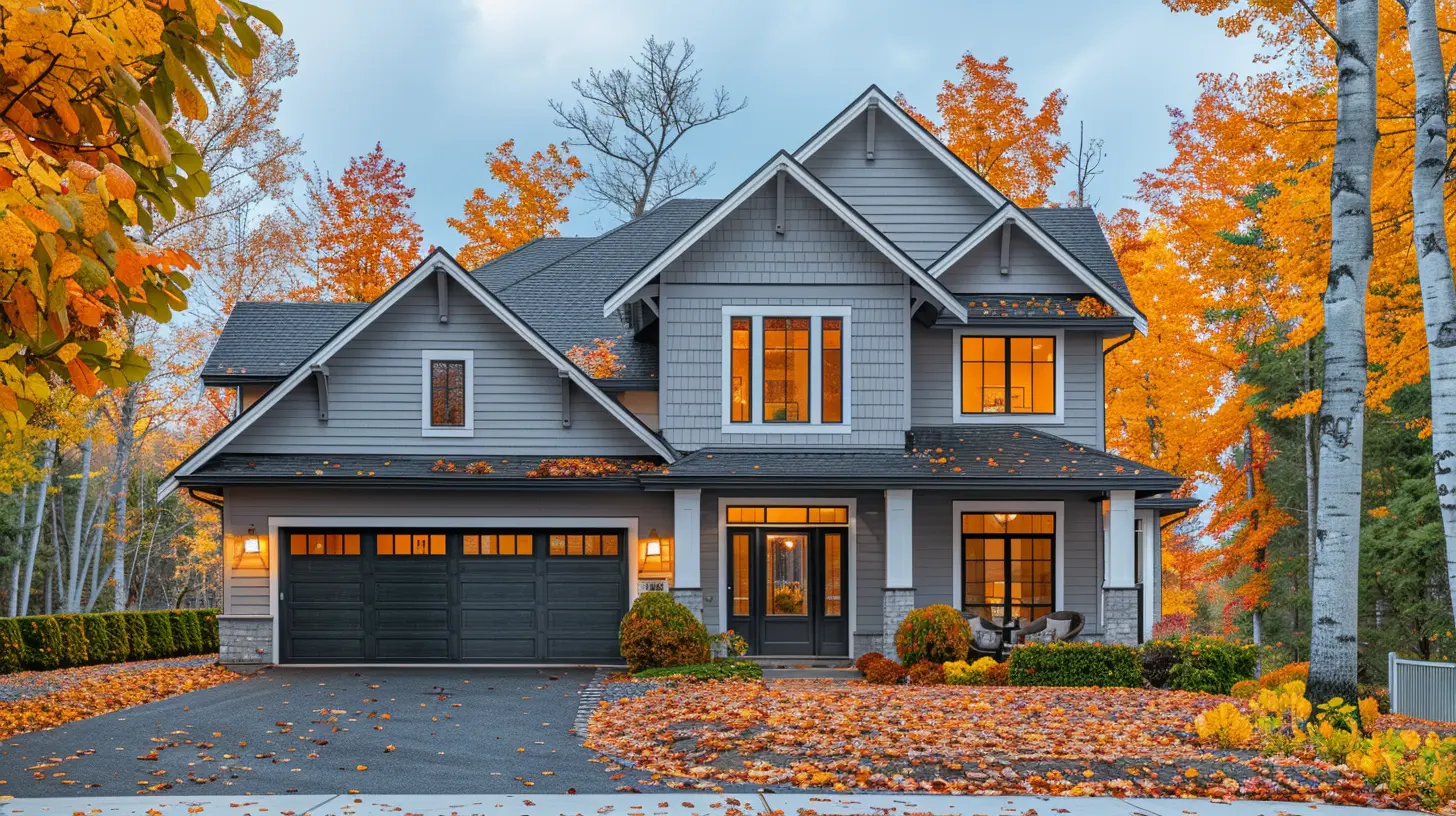
One of the most striking features of glass houses is their aesthetic appeal. The transparency of glass allows natural light to flood the space, creating an open and airy feel. This design encourages a strong connection to the surrounding landscape, blurring the lines between interior and exterior spaces. When strategically placed, glass walls can frame stunning views, making nature an integral part of your living experience.Psychological Benefits
Living in a glass house can also have positive psychological effects. Natural light has been shown to improve mood and boost productivity. By incorporating large windows or glass walls, you can create a bright and inviting atmosphere that enhances overall well-being. Being surrounded by nature can reduce stress levels and promote relaxation, making a glass house not just a place to live, but a sanctuary.
Design Considerations
Location and Orientation
When planning a glass house, the location and orientation are paramount. Consider factors such as sunlight, wind direction, and views. A site that offers ample natural light while minimizing exposure to harsh weather conditions is ideal. Orienting the house to take advantage of the sun's path can help regulate indoor temperatures and reduce energy costs.Privacy and Security
While the open nature of glass houses offers stunning views, it also raises concerns about privacy and security. Homeowners must strike a balance between openness and seclusion. This can be achieved through strategic landscaping, the use of frosted or tinted glass, or incorporating movable screens and shutters. These elements can provide privacy without sacrificing the connection to the outdoors.Materials and Technology
The choice of materials plays a vital role in the functionality of a glass house. High-performance glazing can enhance energy efficiency, reducing heating and cooling costs. Double or triple-glazed windows, Low-E coatings, and gas-filled panes improve insulation while still allowing light to permeate the space. Incorporating smart home technology can further enhance comfort, enabling you to control lighting, temperature, and security systems seamlessly.
Practical Tips for Living in a Glass House
Energy Efficiency
Living in a glass house can lead to increased energy consumption if not designed properly. Consider the following strategies to enhance energy efficiency:1. Passive Solar Design: Utilize the sun's energy for heating and cooling. Position overhangs to block summer sun while allowing winter sun to warm the interior.
2. Energy-Efficient Appliances: Invest in Energy Star-rated appliances to minimize energy use.
3. Natural Ventilation: Design windows and openings that allow for cross-ventilation, offering a natural cooling option during warmer months.
Maintenance
Glass surfaces require regular maintenance to keep them looking pristine. Dust, fingerprints, and environmental grime can diminish their clarity. Establish a cleaning routine using non-abrasive cleaners and microfiber cloths. Consider using hydrophobic coatings to repel dirt and water, making maintenance easier.Seasonal Adaptations
A glass house can feel different with the changing seasons. To adapt:- In summer, use awnings or pergolas to create shaded areas and reduce heat gain.
- In winter, ensure your heating system is efficient and consider thermal curtains to retain warmth.
- Embrace seasonal changes by incorporating indoor plants that thrive in varying conditions, enhancing the indoor-outdoor connection.
Common Mistakes to Avoid
Overlooking Energy Efficiency
One of the most significant pitfalls in designing a glass house is neglecting energy efficiency. Homeowners may be drawn to stunning glass features without considering insulation and heat loss. Always prioritize energy-efficient design to avoid high utility bills and discomfort.Ignoring Climate
The local climate can have a profound impact on the functionality of a glass house. In areas with extreme weather, additional considerations may be necessary. For instance, in regions prone to heavy snowfall, ensuring that the roof can support the weight is critical. Be mindful of your environment and tailor your design choices accordingly.Poor Landscaping Choices
Landscaping is not just about aesthetics; it plays a crucial role in the functionality of a glass house. Failing to consider how plants and trees can provide shade or windbreaks can lead to discomfort and increased energy costs. Native plants can enhance the local ecosystem, providing beauty and biodiversity.Integrating Nature into Daily Life
Creating Outdoor Spaces
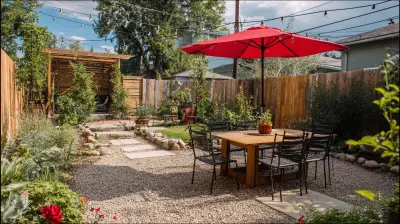
A glass house naturally extends the indoors to the outdoors. Embrace this by creating outdoor living spaces that complement your interior. Patios, decks, and gardens can serve as functional extensions of your home, providing areas for relaxation and entertainment. Incorporate comfortable furniture and natural elements to create inviting spaces.Indoor Plant Life
Integrating indoor plants can enhance the natural ambiance of a glass house. Choose plants that thrive in natural light and contribute to air purification. Vertical gardens or living walls can add texture and greenery, creating a seamless transition between indoor and outdoor environments.Nature-Inspired Decor
To further enhance the connection to nature, consider nature-inspired decor. Organic materials like wood, stone, and textiles in earthy tones can complement the glass features without overwhelming the space. Artwork that highlights natural landscapes can also foster a sense of tranquility.
The Future of Glass House Living
As technology advances, the future of glass house living holds exciting possibilities. Innovations in building materials and smart home technologies will make glass houses even more energy-efficient and comfortable. The growing awareness of sustainability may lead to more eco-friendly designs and the use of recycled materials.Sustainable Practices
Homeowners are increasingly leaning towards sustainable practices in construction and living. Solar panels, rainwater harvesting systems, and green roofs can be integrated into glass house designs, enhancing their environmental credentials. These practices not only benefit the planet but can also reduce long-term costs.Community Building
Glass houses can also foster a sense of community. Transparent spaces encourage interaction and connection with neighbors. Creating communal areas or gardens can enhance social ties, promoting a sense of belonging while embracing the natural surroundings.Conclusion
The allure of living in a glass house extends far beyond its visual appeal. It embodies a lifestyle that embraces nature, promotes well-being, and encourages sustainable practices. While there are challenges to consider, careful planning and thoughtful design can create a harmonious living environment that seamlessly blends the indoors with the outdoors. By prioritizing energy efficiency, adapting to seasonal changes, and integrating nature into daily life, you can truly make the most of this unique architectural choice.
all images in this post were generated using AI tools
Category:
Luxury Real EstateAuthor:

Lydia Hodge
Discussion
rate this article
1 comments
Skylar Harris
The Glass House redefines modern living by blending indoor and outdoor spaces. Its design invites nature in, inspiring us to embrace transparency and harmony. Imagine waking up to a landscape that feels like an extension of your home. This is where serenity meets innovation.
November 25, 2026 at 4:21 AM