HVAC Systems and Why They Matter in a Home Inspection
22 January 2026
So, you’re finally ready to buy a house. You’ve toured a dozen places, nodded along to the real estate agent’s spiel, and even politely pretended to care about the color of the kitchen backsplash. But let’s be real—none of that matters if your future dream home comes with a ticking time bomb disguised as an HVAC system.
Yes, HVAC—the thing that keeps you from sweating through your sheets in summer and turning into a human popsicle in winter. It’s a big deal, yet somehow, during home inspections, it often gets the “oh yeah, that’s in the basement somewhere” treatment.
So, let’s talk about why HVAC systems aren’t just some metal box humming in a closet but an absolute dealbreaker if not properly inspected. Buckle up—it’s about to get chilly (or toasty, depending on your preference). 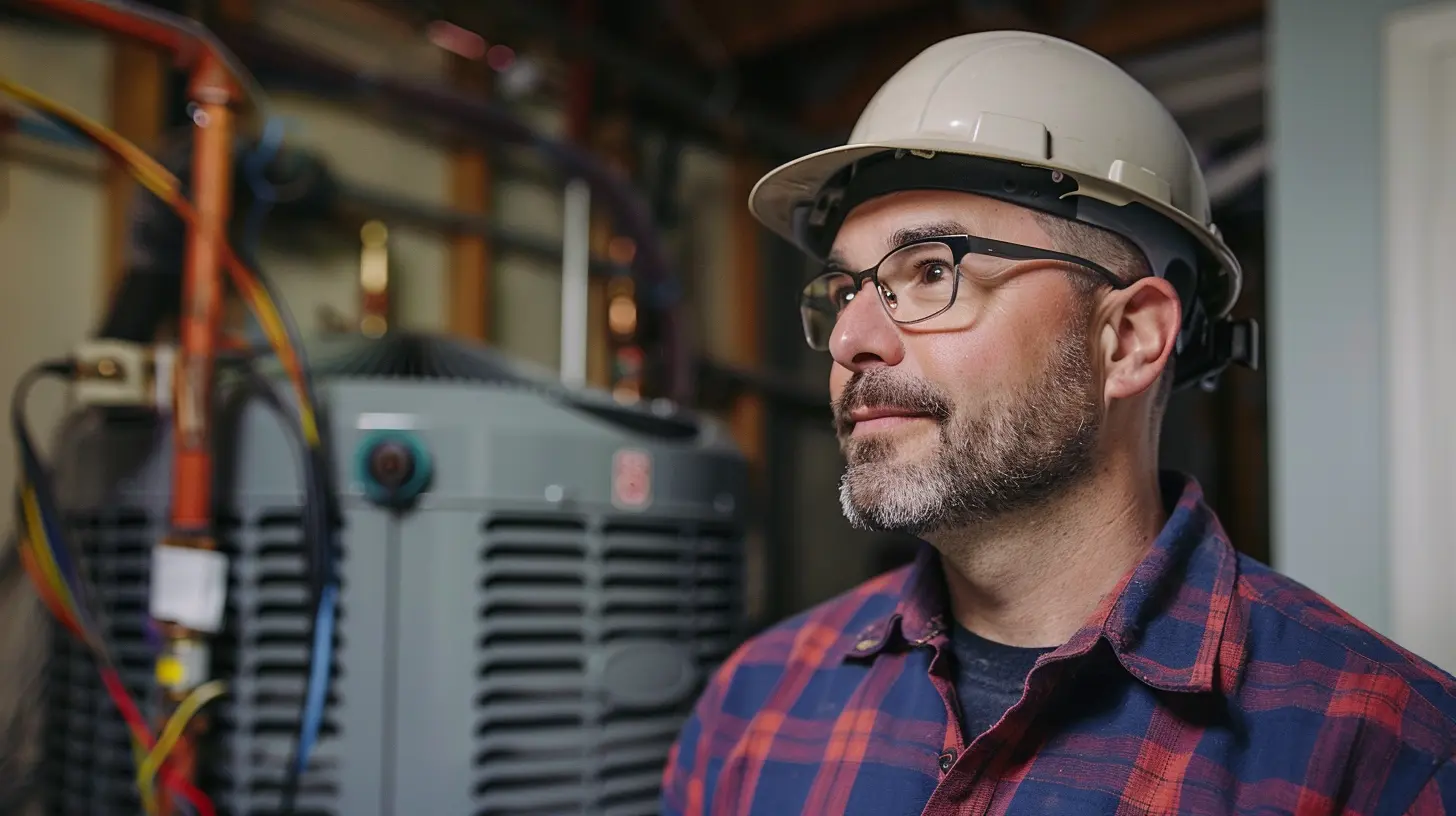
What Exactly Is an HVAC System?
Before we dive into why HVAC matters in a home inspection, let’s break down what it actually does.HVAC stands for Heating, Ventilation, and Air Conditioning—basically, the superhero trio of indoor comfort. This system controls the temperature, humidity, and air quality in your home. A well-functioning HVAC keeps you from feeling like you’re living in a sauna or an igloo.
It consists of:
- The Furnace – The thing responsible for keeping your toes warm in winter.
- The Air Conditioner – Without this, sleeping in July would be a cruel joke.
- Ductwork & Vents – The mysterious maze behind the walls that carries heated or cooled air throughout the house.
- Thermostat – The tiny device that starts household arguments over what the "right" temperature should be.
- Filters and Air Quality Systems – Because breathing clean air is kind of important.
Sounds simple, right? Well, not so fast. An HVAC system is only a blessing if it’s in good shape. Otherwise, it's just a money-hungry monster waiting to ruin your bank account. 
Why HVAC Systems Matter in a Home Inspection
You wouldn’t buy a car without checking under the hood (unless you enjoy expensive surprises). The same logic applies to HVAC systems during a home inspection. Here’s why ignoring it could be a mistake that’ll haunt both your wallet and your comfort levels.1. HVAC Repairs Are Stupidly Expensive
Think homeownership is just sipping coffee on your porch and hosting barbecues? Think again. HVAC repairs—or worse, full replacements—can cost thousands of dollars.- A new furnace? That’s a solid $3,000–$7,000.
- A brand-new AC unit? Oh, just $5,000–$10,000, no biggie.
- Major ductwork replacement? Take a deep breath because you’re looking at $10,000+ in some cases.
Skipping an HVAC inspection could mean inheriting a system that’s about to keel over. And trust me, discovering this in the middle of a heatwave or a blizzard is not the kind of adventure you want.
2. Poor HVAC = Poor Air Quality = Constant Sneezing
Ever walked into a house and immediately started sneezing? That’s probably because the HVAC system is filthy or malfunctioning.An HVAC system that hasn’t been maintained properly circulates dust, mold, pet dander, and other airborne nightmares. This is especially bad news for anyone with allergies, asthma, or an appreciation for breathing comfortably.
During a home inspection, an inspector should check:
- The condition of the air filters (hint: if they look like they belong in a horror movie, that’s a red flag).
- Whether the ductwork is clogged or leaking.
- Signs of mold or mildew growth (because nothing says “welcome home” like a lung infection).
3. Energy Bills That Make You Cry
A poorly maintained HVAC system is basically a money-burning machine. If it’s outdated, clogged, or inefficient, expect your energy bills to skyrocket.Here’s the math:
- An old furnace operates at around 60% efficiency, meaning 40% of the energy is wasted.
- A high-efficiency modern furnace operates at 95% efficiency, meaning way more heat for way fewer dollars.
If the HVAC system is outdated, don’t be surprised if your utility bills start looking like rent payments. If you enjoy financial pain, feel free to overlook this during the inspection.
4. HVAC Issues Can Be a Huge Negotiation Tool
Here’s a little real estate hack: If the HVAC system is on its last legs, you can use that to your advantage when negotiating the price.Imagine this conversation:
You: “The HVAC system is ancient, and replacing it will cost me an arm and a leg.”
Seller: “Oh… uh… I guess we could knock a few thousand off the price?”
Boom. Just like that, you’ve justified the cost of your home inspection and saved yourself from post-move-in misery.
5. Age Matters (And Not in a Good Way)
Would you trust a 25-year-old furnace to keep you warm in the dead of winter? Probably not. Yet, plenty of homebuyers forget to ask how old the HVAC system is.- Furnaces typically last 15–20 years if well maintained.
- AC units usually give up after 10–15 years.
- Heat pumps have a lifespan of around 15 years.
If the system is approaching the end of its life, you’re looking at a pricey replacement sooner rather than later. And let’s be real—wouldn’t you rather spend that money on literally anything else? 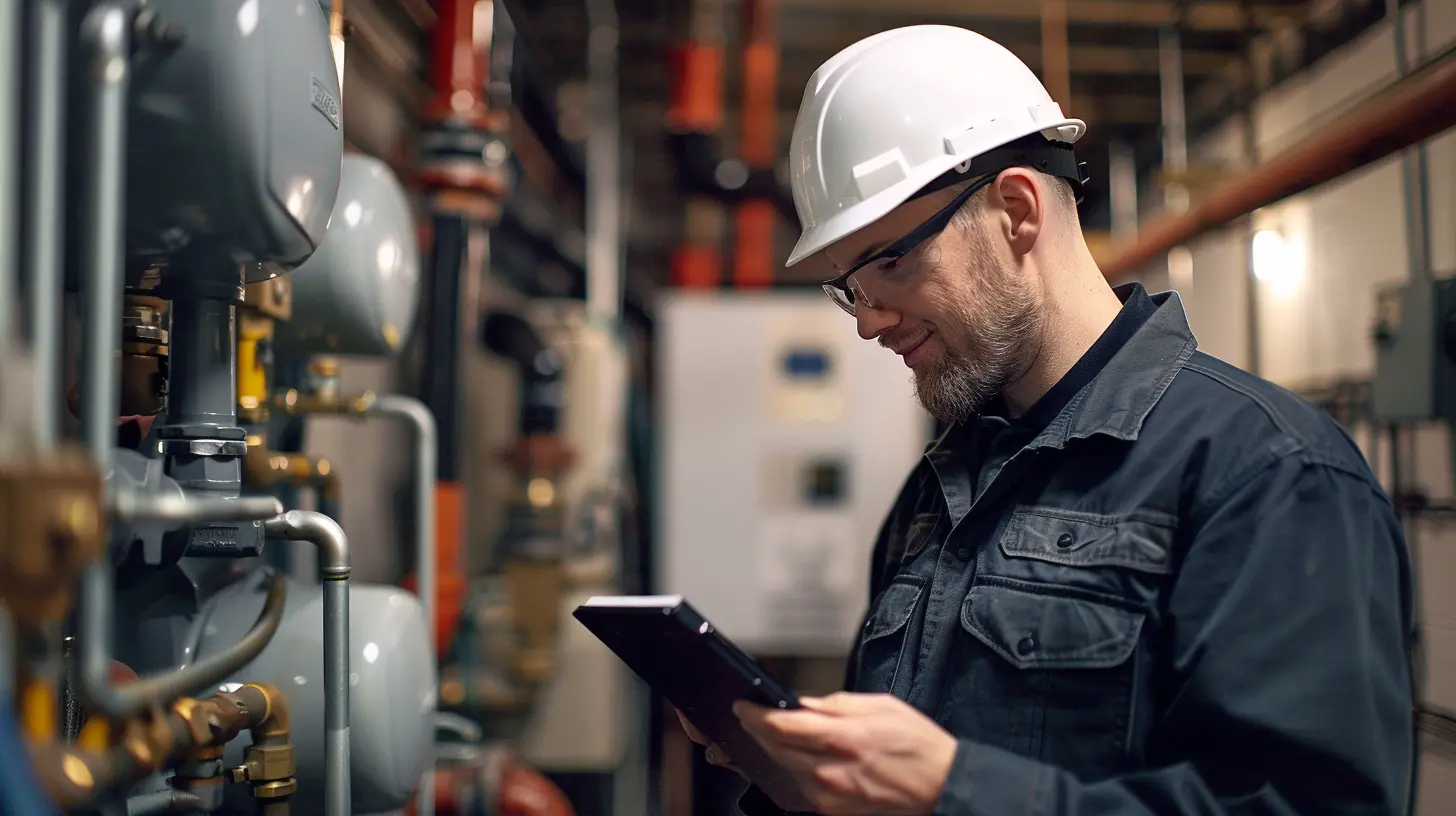
Signs of HVAC Troubles During a Home Inspection
So, what should you (or your inspector) be looking for when assessing the HVAC system? Here are some glaring red flags:Strange Noises
If the HVAC system sounds like it's auditioning for a horror movie (banging, rattling, hissing), something’s definitely wrong.Inconsistent Temperature Control
One room feels like the inside of a volcano while another is freezing? That’s a sign of poor airflow or a struggling system.Weird Smells
Musty, moldy, or burning smells? Congratulations, the HVAC might be harboring something unpleasant.Constant Cycling
If the unit turns on and off more often than you check your phone, it’s working way too hard.Visible Rust or Leaks
Water pooling near an HVAC unit isn’t just a bad sign—it’s a neon sign screaming “expensive repair incoming.”
The Bottom Line
Your future home’s HVAC system isn’t just another boring checkbox on the home inspection report—it’s the difference between living in comfort and living in regret. If you don’t check it properly, you could be stepping into a world of unexpected expenses, unbreathable air, and summer nights spent sweating through your sheets.So, next time you’re walking through a potential home, don’t just admire the granite countertops. Ask about the HVAC system. Check its age. Pay attention to its sounds. Treat it like the crucial piece of homeownership that it is.
Because trust me—no one wants to wake up on the first cold night in their new home only to realize they just bought an overpriced igloo.
all images in this post were generated using AI tools
Category:
Home InspectionsAuthor:

Lydia Hodge
Discussion
rate this article
2 comments
Vance McCarthy
Understanding HVAC systems can empower your home buying journey—knowledge is your best ally!
February 4, 2026 at 5:03 AM
Lydia Hodge
Absolutely! Knowledge of HVAC systems equips homebuyers to make informed decisions, ensuring comfort and efficiency in their new home.
Cambria Morris
Stay cool, inspections make homes happy!
January 22, 2026 at 4:55 AM
Lydia Hodge
Absolutely! A well-functioning HVAC system is key to a happy home and a successful inspection. Stay cool!